

A decline in estrogen levels can trigger physical and emotional changes throughout the body. These symptoms are often subtle at first but tend to progress over time. Identifying them early helps guide appropriate testing and treatment.
Table of Contents
The Most Common Symptoms of Low Estrogen
Low estrogen does not present the same way in every woman. Symptoms may develop gradually during perimenopause or occur at other times due to hormonal imbalance. Some changes feel subtle at first, while others appear unexpectedly and seem disproportionate to lifestyle or stress levels.
1. Brain Fog and Cognitive Changes
You may struggle to find words, forget small details, or feel mentally slower than usual. Tasks that once felt routine may require more effort or concentration.
Estrogen plays a role in neurotransmitter regulation and cerebral blood flow. When levels drop, concentration, memory, and mental clarity can decline.
Additional cognitive-related symptoms may include:
- Difficulty focusing
- Reduced mental stamina
- Trouble multitasking
- Increased distractibility
2. Brittle Hair and Hair Thinning
Low estrogen can shorten the hair growth cycle. You may notice increased shedding, thinning along the part line, or reduced overall volume. Hair may also become drier and more fragile due to decreased scalp oil production.
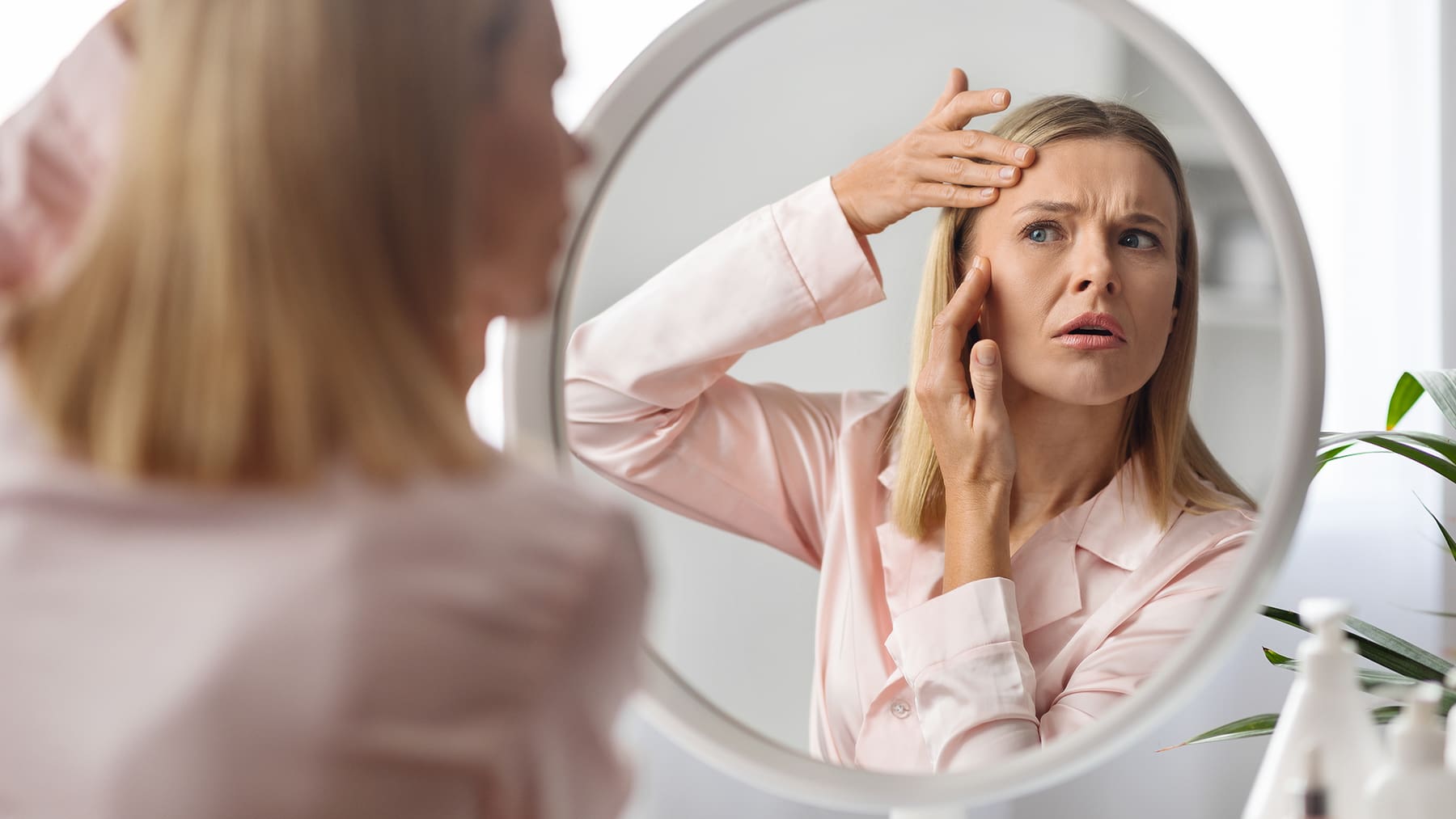
3. Skin Changes: Dryness, Thinning, and Wrinkling
Estrogen supports collagen production and skin hydration. When levels decline, the skin may:
- Feel dry or itchy
- Lose elasticity
- Appear thinner
- Develop fine lines more quickly
Some women also notice increased skin sensitivity or slower healing of minor cuts and irritation.
4. Unexplained Weight Changes
A decline in estrogen can alter fat distribution and metabolic efficiency.
You may notice:
- Increased abdominal fat
- Difficulty maintaining muscle tone
- Weight gain despite consistent diet and exercise
Hormonal shifts can influence insulin sensitivity and fat storage patterns, which may make weight management more challenging.
5. Joint, Muscle, and Back Pain
Estrogen has anti-inflammatory effects and supports joint lubrication. Lower levels may contribute to:
- Joint stiffness
- Increased muscle soreness
- Aching in the lower back
- Slower recovery after physical activity
These symptoms are often attributed solely to aging, but hormonal changes frequently contribute.
6. Mood Changes, Anxiety, or Low Motivation
Estrogen influences serotonin and dopamine activity in the brain. When levels drop, emotional regulation may shift.
You may experience:
- Irritability
- Increased anxiety
- Low mood
- Reduced motivation
- Heightened emotional sensitivity
These changes can occur even when external stressors remain unchanged.
7. Changes in Libido and Sexual Function
Lower estrogen levels affect vaginal tissue integrity and blood flow.
Symptoms may include:
- Decreased sexual desire
- Vaginal dryness
- Discomfort during intercourse
- Reduced sensation
These changes are physiological and often improve when hormone levels are properly addressed.
When to Consider Hormone Testing
If you are experiencing symptoms consistent with low estrogen, hormone testing is necessary to confirm a hormonal imbalance. Symptoms alone are not enough to determine whether estrogen levels are truly low or if another condition may be contributing.
Comprehensive hormone testing measures estradiol and other related markers to provide a clear picture of your hormonal status. Results help determine whether treatment is appropriate and allow for precise dosing when hormone therapy is recommended.
Early evaluation is important once symptoms begin. Addressing declining estrogen levels early may improve treatment response. It can also help reduce the impact on bone density, cardiovascular health, and cognitive function.
Hormone Replacement Therapy in Madison, AL
If you are experiencing symptoms of low estrogen, schedule a consultation with Blake Gilliam, CRNP at Madison Integrative Medicine.
To schedule a consultation at our wellness center in Madison, AL, call (256) 325-0955 or visit us at 1230 Slaughter Rd Suite C, Madison, AL.
FAQs
What is considered low estrogen?
In premenopausal women, estradiol levels below approximately 30 pg/mL may be considered low, depending on cycle phase. In postmenopausal women, levels below 20 pg/mL are common and may contribute to symptoms.
Can low estrogen cause anxiety?
Estrogen influences neurotransmitters such as serotonin. Lower levels can increase susceptibility to anxiety, irritability, and mood instability.
Can low estrogen cause sleep problems?
Estrogen plays a role in temperature regulation and neurotransmitter balance. Lower levels can contribute to night sweats, difficulty falling asleep, or frequent nighttime waking.