
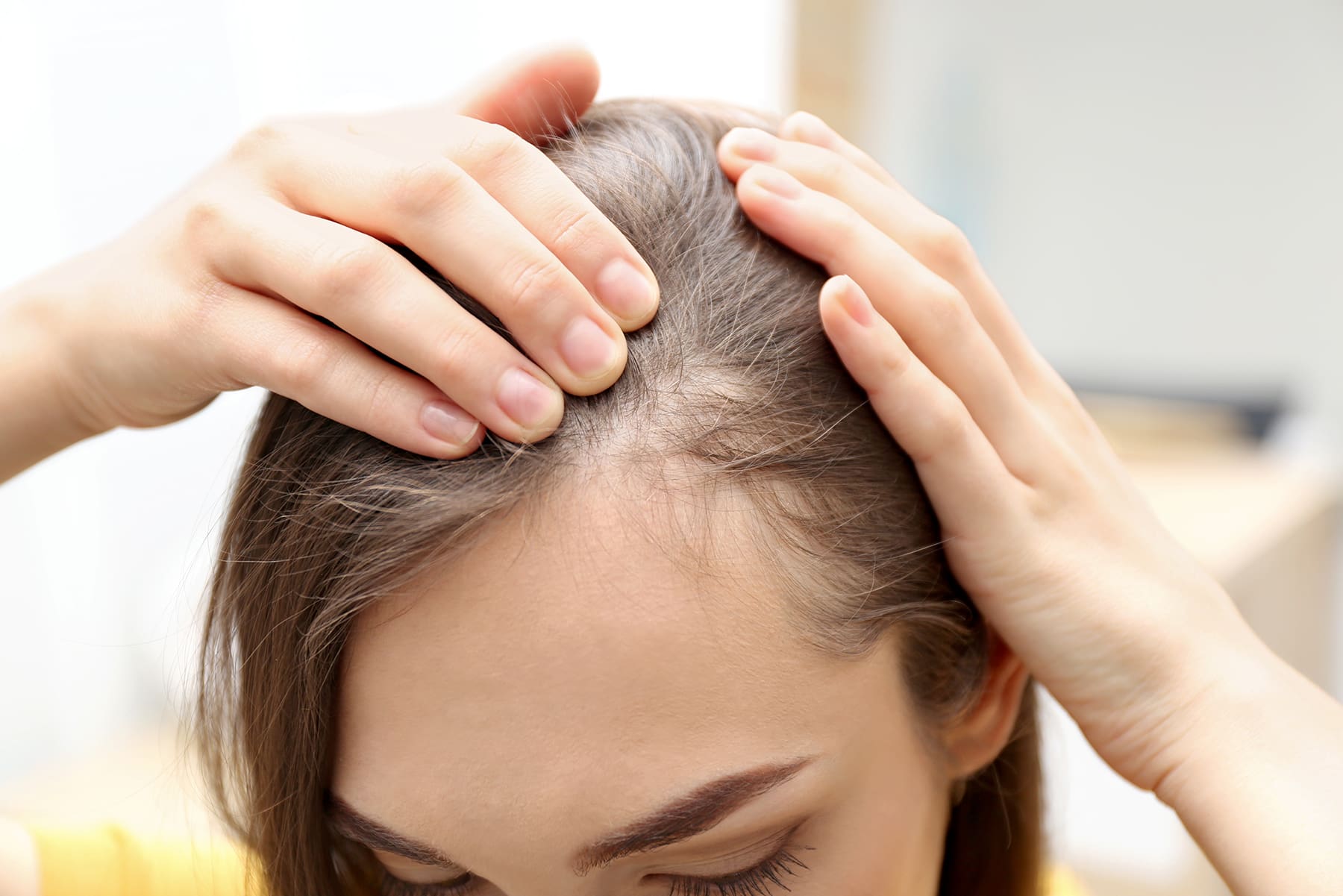

Hair thinning is often linked to changes in hormone levels. Estrogen, testosterone, and other hormones influence the hair growth cycle, and shifts in these levels can lead to increased shedding and reduced density.
Table of Contents
Can Hormone Replacement Therapy Help Hair Loss?
Hormone therapy (HRT) can help with hair loss in some cases, but only when hormonal imbalance is the underlying cause.
Estrogen supports the hair growth cycle by prolonging the growth phase. When estrogen levels drop, hair may become thinner, shed more easily, and grow more slowly. HRT can help stabilize hormone levels, which may reduce shedding and improve hair density over time.
In men, hair loss is often influenced by androgens, particularly dihydrotestosterone (DHT), which can shrink hair follicles over time. Testosterone imbalance or changes in how the body processes androgens can contribute to thinning hair. In some cases, testosterone replacement therapy may help reduce further hair loss.
When Hair Loss Is Not Hormone-Related
Hair loss is often influenced by multiple factors. Even when hormonal changes are present, other underlying issues may contribute to thinning or increased shedding.
Common non-hormonal causes of hair loss include:
- Thyroid disorders
- Iron deficiency or low protein intake
- Chronic stress and elevated cortisol
- Genetic pattern hair loss
- Inflammation or scalp conditions
- Certain medications
- Rapid weight loss or metabolic changes
These factors can affect the hair growth cycle and lead to gradual thinning or increased shedding. In these cases, addressing hormones alone may not lead to meaningful improvement. A broader evaluation helps identify contributing factors and guide appropriate treatment.
A Functional Approach to Treating Hair Loss
Because hair loss is rarely caused by a single factor, it is important to identify the underlying cause before deciding on treatment.
A comprehensive evaluation may include:
- Hormone testing, including estrogen, testosterone, and related markers
- Thyroid function assessment
- Nutrient evaluation, such as iron, vitamin D, and protein status
- Review of stress levels and lifestyle factors
- Medical history and timing of hair loss
This approach helps determine whether hormone replacement therapy may be helpful or if other factors should be addressed first. Focusing on the root cause provides a clearer path forward and helps guide appropriate care.
At Madison Integrative Medicine, Blake Gilliam, CRNP focuses on identifying the root cause of symptoms rather than treating them in isolation. Treatment plans are individualized and may include hormone therapy, lifestyle changes, or targeted supplementation based on lab findings.
Hormone Therapy in Madison, AL
To schedule a consultation at our wellness center in Madison, AL, call (256) 325-0955 or visit us at 1230 Slaughter Rd Suite C, Madison, AL.
FAQs
Does low estrogen cause hair loss?
Low estrogen can shorten the hair growth cycle, leading to increased shedding and thinner hair, especially during perimenopause and menopause.
Can too much estrogen cause hair loss?
Not directly. Hair loss is more often related to hormone imbalance rather than high estrogen alone, particularly when other hormones like progesterone or androgens are out of balance.
Is hair loss during menopause reversible?
It can improve if the underlying cause is identified and treated, but results depend on how long the hair follicles have been affected.