
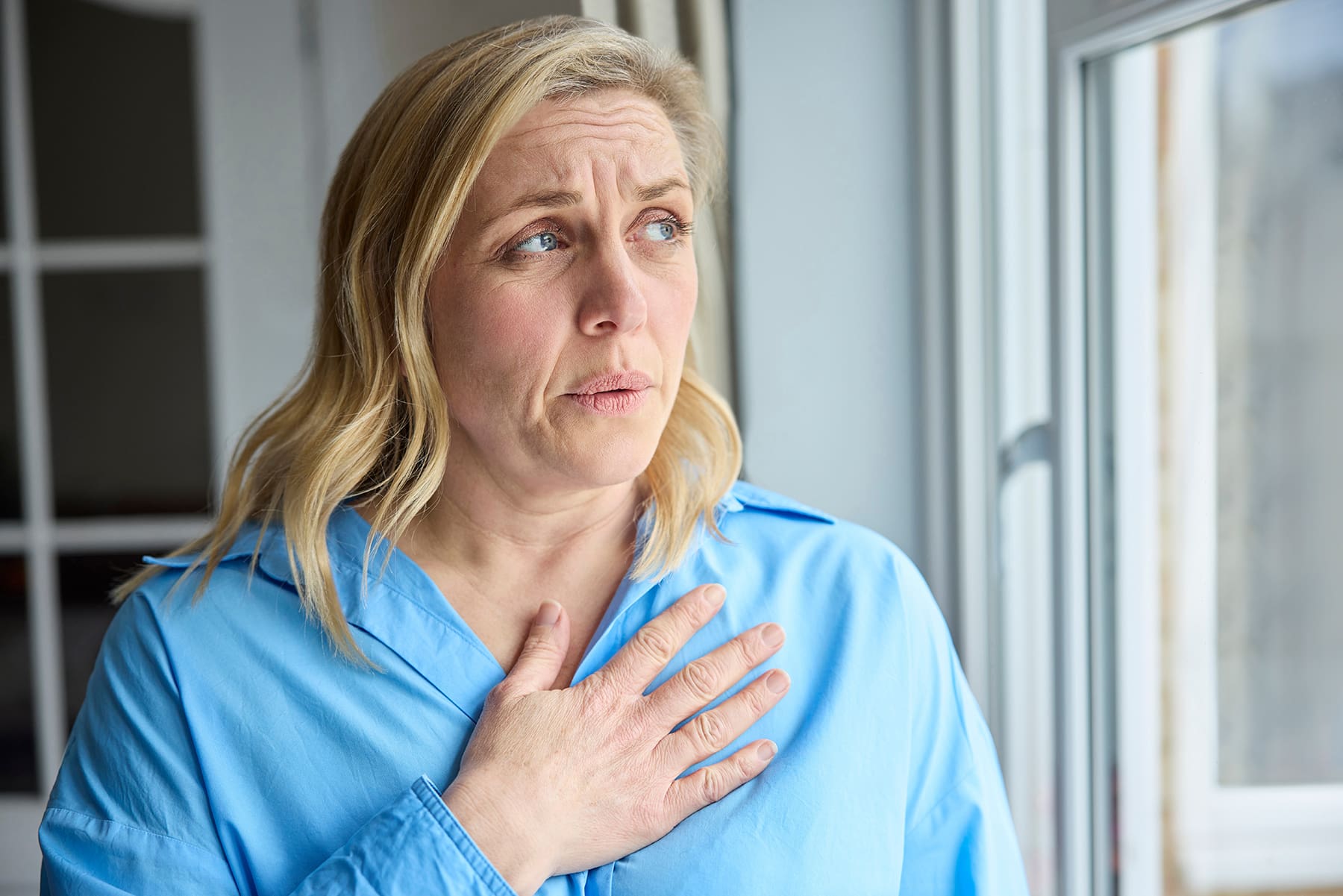

A fluttering, pounding, or irregular heartbeat can catch your attention, especially when it appears without a clear trigger. Some women begin to notice these sensations during perimenopause, even if they have never experienced them before.
Table of Contents
Can Perimenopause Cause Heart Palpitations?
Hormone fluctuations during this stage can influence both heart rhythm and heart rate, as well as the body’s stress response. Changes in estrogen and progesterone may increase sensitivity to internal signals, making variations in heartbeat more noticeable.
Estrogen supports blood vessel function and helps regulate cardiac signaling and blood pressure. As estrogen levels fluctuate during perimenopause, both the cardiovascular system and autonomic nervous system may respond differently to normal stimuli.
These changes can affect:
- Electrical signaling within the heart
- Regulation of the autonomic nervous system
- Sensitivity to adrenaline and stress hormones
As a result, even minor triggers may lead to irregular or fluttering sensations. These episodes are common during perimenopause and may come and go with hormonal fluctuations, stress levels, and sleep quality.
What Do Heart Palpitations Feel Like During Perimenopause?
Many women describe these sensations as unusual or difficult to ignore. They may occur at rest or during normal daily activities.
Typical sensations are:
- A fluttering or flip-flopping feeling in the chest
- A sensation that the heart skips a beat
- Brief episodes of rapid or pounding heartbeat
- Increased awareness of the heartbeat, especially at night
Common Triggers That Can Make Palpitations Worse
While hormone changes are a primary factor, certain triggers can increase the frequency of palpitations or their intensity.
Contributors include:
- Caffeine intake
- Emotional or physical stress
- Poor sleep or insomnia
- Blood sugar fluctuations
- Dehydration
These factors can amplify the body’s stress response, potentially worsening symptoms in women already experiencing hormonal variability.
When to Seek Care for Heart Palpitations
While hormonal changes can contribute to heart palpitations during perimenopause, persistent or severe symptoms should not be ignored.
Seek evaluation if you experience:
- Chest pain or pressure
- Dizziness or lightheadedness
- Shortness of breath
- Palpitations that are persistent or worsening
A medical evaluation can help determine whether symptoms are related to hormonal changes or another underlying condition affecting heart rhythm or cardiovascular health.
Hormone Therapy for Perimenopause Symptoms
Hormonal fluctuations during perimenopause can contribute to symptoms such as heart palpitations, sleep disruption, mood changes, hot flashes, and fatigue. Evaluating hormone levels and overall health can help determine whether hormone therapy or other supportive treatments may be appropriate.
At Madison Integrative Medicine, Blake Gilliam, CRNP, provides individualized treatment plans that may include bioidentical hormone therapy, lifestyle recommendations, and nutritional support based on your symptoms and health history.
Hormone Therapy in Madison, AL
To schedule a consultation at our wellness center in Madison, AL, call (256) 325-0955 or visit us at 1230 Slaughter Rd Suite C, Madison, AL.
FAQs
Are heart palpitations more common at night during perimenopause?
They can be more noticeable at night when the body is at rest, and external distractions are reduced. Hormonal fluctuations and changes in heart rate variability during sleep may also contribute to increased awareness of palpitations.
Can anxiety cause a heart flutter during perimenopause?
Yes. Hormonal changes can increase sensitivity in the autonomic nervous system, which regulates both stress response and heart rhythm. This can make the body more reactive to anxiety, leading to sensations like fluttering, skipped beats, or a racing heart.
Do perimenopause heart palpitations go away?
In many cases, they become less frequent as hormone levels stabilize after perimenopause. However, symptoms may persist if underlying factors such as stress, sleep disruption, or metabolic imbalance are not addressed, so ongoing or worsening episodes should be evaluated.