
Reviewed By Blake Gilliam, CRNP
Reading Time: 3 minutes
Histamine intolerance happens when your body cannot break down histamine properly. Histamine is a natural chemical involved in immune function and digestion. When it builds up, it can cause symptoms that look like allergies but are not caused by an immune reaction.
Table of Contents
What Are the Symptoms of Histamine Intolerance?
Histamine intolerance occurs when histamine accumulates in the body faster than it can be broken down. This most commonly involves reduced activity of diamine oxidase (DAO), the primary enzyme responsible for breaking down histamine in the gut.
Symptoms vary from person to person but often include:
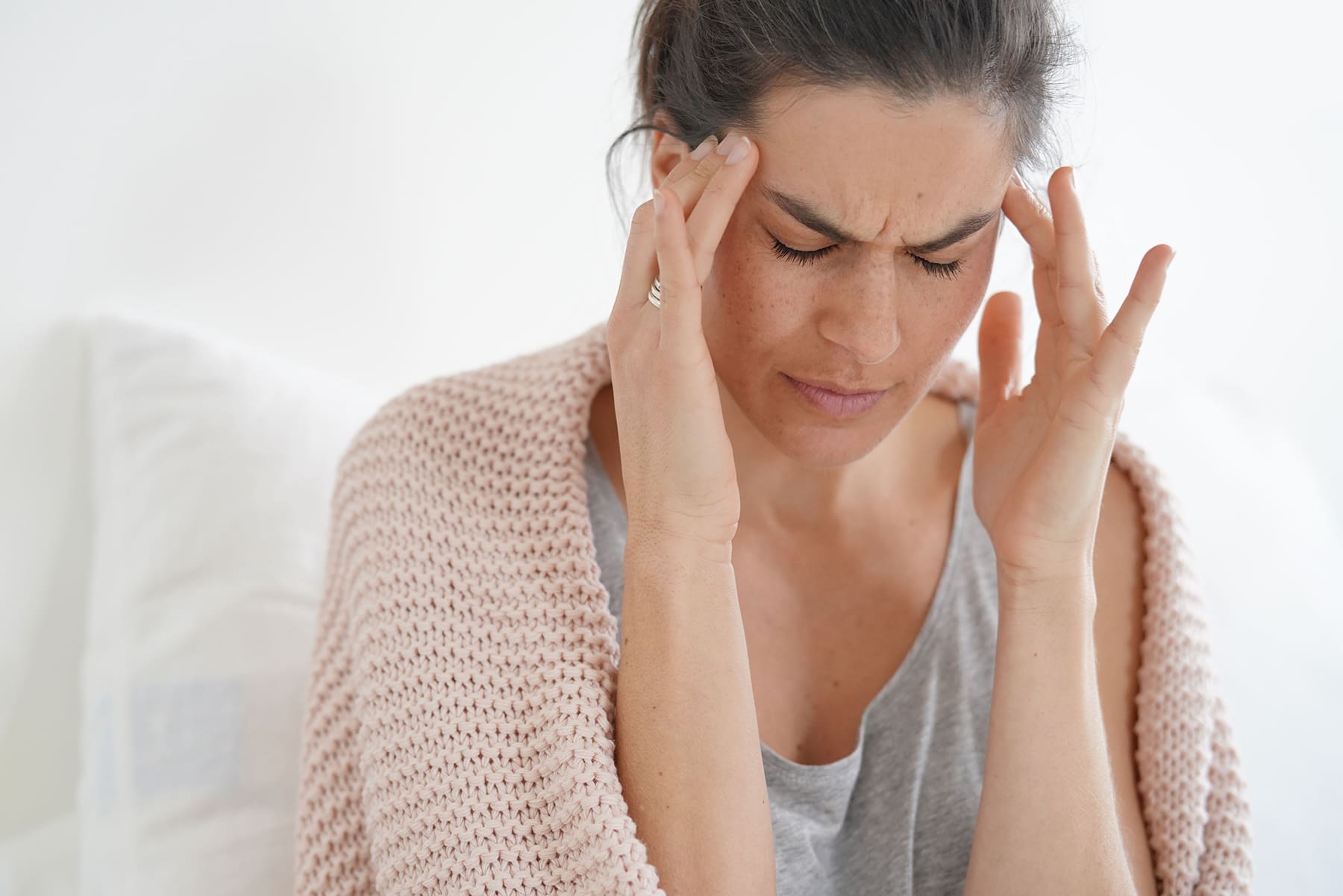
- Headaches or migraines: Histamine can dilate blood vessels and trigger vascular headaches.
- Facial flushing: Warmth and redness, especially after eating or drinking alcohol.
- Hives or skin itching: Raised, itchy areas without a clear allergic cause.
- Nasal congestion: Persistent sinus pressure or a runny nose unrelated to infection.
- Digestive discomfort: Bloating, cramping, diarrhea, nausea, or reflux after meals.
- Heart palpitations: Increased heart rate or awareness of heartbeat.
- Anxiety or irritability: Histamine functions as a neurotransmitter and can affect mood regulation.
- Sleep disturbance: Difficulty falling or staying asleep.
Symptoms often worsen after consuming aged cheeses, fermented foods, alcohol, cured meats, or leftovers stored for extended periods.
What Causes Histamine Intolerance?
Histamine intolerance is not a true food allergy. It happens when the body cannot break down histamine fast enough. This may occur if levels of the DAO enzyme are low or if the body is producing too much histamine.
Reduced DAO Enzyme Function
DAO is produced in the small intestine. When levels are low, histamine absorbed from food is not adequately broken down, leading to systemic symptoms.
Gut Inflammation or Microbiome Imbalance
Chronic gut inflammation, small intestinal bacterial overgrowth, or dysbiosis can impair enzyme production and increase histamine release.
Certain Medications
Some medications reduce DAO activity or promote histamine release, which can worsen symptoms.
Hormonal Influences
Estrogen can increase histamine levels. This may explain why some women notice symptom changes around ovulation or during perimenopause.
Functional Evaluation for Ongoing Histamine-Related Symptoms
When symptoms continue despite normal allergy testing, a broader review of overall health may be helpful. Histamine imbalance is often linked to gut health, inflammation, hormone changes, or medication effects.
At Madison Integrative Medicine, we take a comprehensive approach to chronic symptoms. This may include allergy testing, functional medicine assessment, hormone evaluation, and review of digestive health. The goal is to understand possible contributing factors rather than focusing on symptoms alone.
Because histamine intolerance does not have one single confirmed test, careful clinical evaluation is essential. Identifying patterns over time often provides more insight than one isolated lab result.
Schedule an Evaluation at Madison Integrative Medicine
If you are experiencing ongoing symptoms that may be related to histamine intolerance, a comprehensive evaluation may help clarify the next steps.
To schedule a consultation at our wellness center in Madison, AL, call (256) 325-0955 or visit us at 1230 Slaughter Rd Suite C, Madison, AL.
FAQs
What are the symptoms of too much histamine in your body?
Too much histamine can affect many parts of the body. Common symptoms include flushing or redness of the skin, headaches or migraines, hives and itching, nasal congestion or runny nose, digestive issues like diarrhea or nausea, rapid or irregular heartbeat, low blood pressure, and dizziness. Some people also report fatigue or sleep problems when histamine levels are elevated.
What is the root cause of histamine intolerance?
Histamine intolerance is thought to happen when the body’s ability to break down histamine is lower than the amount of histamine present. In healthy people, enzymes like diamine oxidase (DAO) help remove histamine from food and the bloodstream. If DAO activity is reduced because of genetics, gut inflammation, certain medications, or other factors, histamine can build up and lead to symptoms.
What foods are high in histamines?
Foods that are aged, fermented, cured, or stored for long periods tend to contain higher levels of histamine. These include aged cheeses, processed meats, fermented vegetables, alcohol, and certain types of fish. Some fruits and vegetables may also trigger histamine release in sensitive individuals. The amount of histamine in food can increase over time, especially if it is not stored properly.