
Reviewed By Blake Gilliam, CRNP
Reading Time: 3 minutes
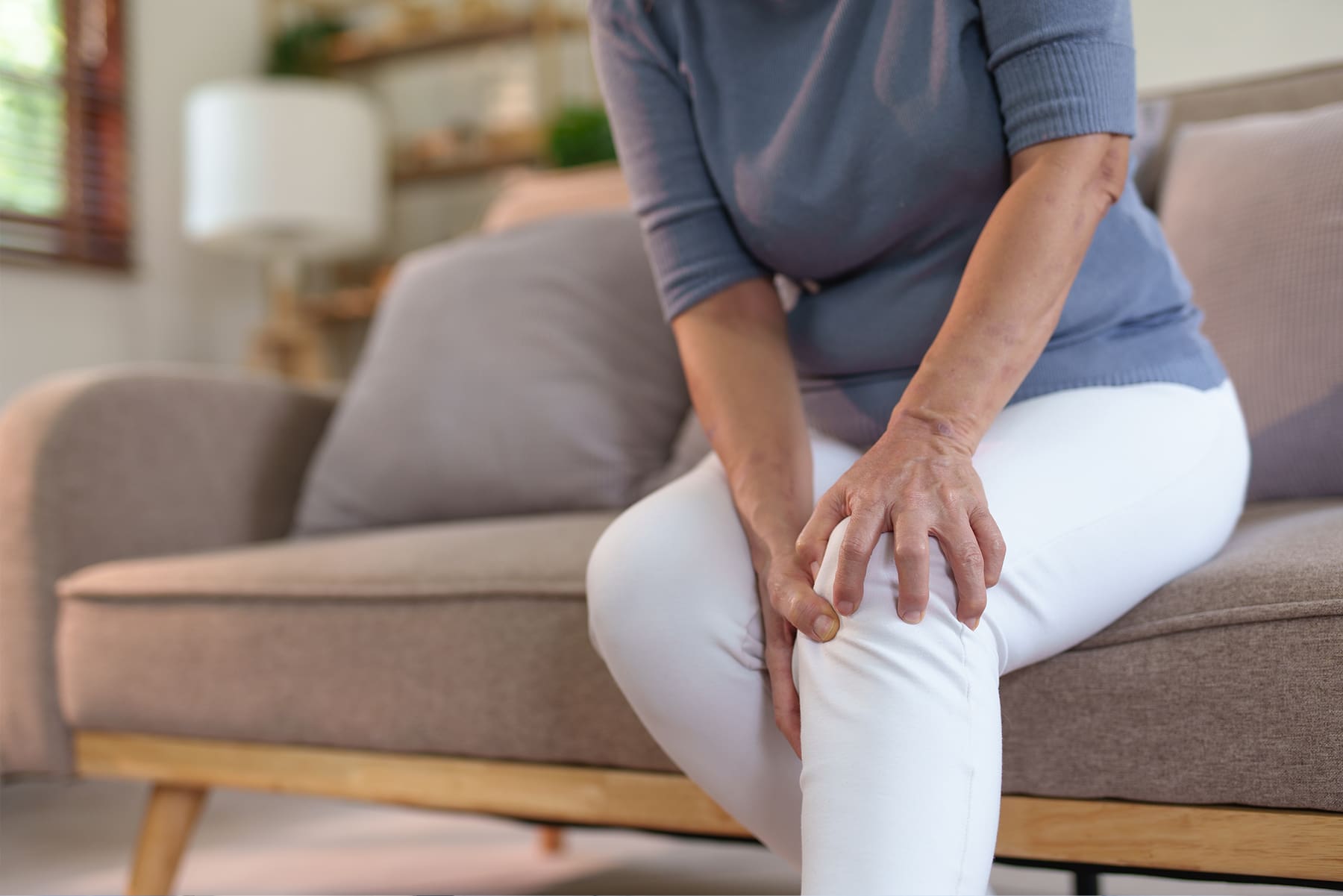
Joint pain is a common but underrecognized menopause symptom. Many women begin to notice stiffness, aching, or reduced mobility during perimenopause or after menopause, even without a prior joint condition. These changes are closely linked to hormonal shifts, particularly declining estrogen levels.
Table of Contents
Why Does Menopause Cause Joint Pain?
Menopause can cause joint pain because estrogen plays an important role in regulating inflammation, maintaining joint lubrication, and supporting connective tissue health.
As estrogen levels decline, inflammation increases and the tissues around the joints become less resilient.
Common Joint Symptoms During Menopause
Menopause-related joint pain often follows a recognizable pattern. Symptoms may include:
- Stiffness in the morning or after sitting for long periods
- Aching or soreness in the knees, hips, shoulders, hands, or neck
- Reduced flexibility or range of motion
- Mild swelling without a clear injury
- Discomfort that fluctuates rather than steadily worsening
What Helps Reduce Joint Pain During Menopause?
Menopause-related joint pain is often multifactorial. While lifestyle changes can improve joint comfort, symptoms driven by hormonal shifts may require medical evaluation to fully address the underlying cause.
Movement and Strength Training
Regular movement improves circulation and joint mobility. Low-impact activities such as walking, swimming, and cycling can reduce stiffness, while strength training helps rebuild muscle mass that supports the joints. Maintaining muscle strength helps support the joints and reduce stiffness as the body changes during menopause.
Anti-Inflammatory Diet
An anti-inflammatory diet can support joints by reducing systemic inflammation. Consume vegetables, healthy fats, and omega-3-rich foods and limit refined sugars and processed foods to reduce flare-ups and stiffness.
Weight and Stress Management
Excess weight increases stress on weight-bearing joints, particularly the knees and hips. Chronic stress can also worsen inflammation through elevated cortisol levels. Addressing both factors often leads to noticeable improvement in joint comfort.
Hormone Replacement Therapy
Hormone replacement therapy may help reduce menopause-related joint pain by stabilizing estrogen levels and lowering inflammation. Treatment decisions should be based on symptoms, medical history, and appropriate lab testing, and should always be individualized.
Hormone Evaluation for Menopause-Related Joint Pain
Joint pain during menopause is often related to hormonal changes and may not show up on imaging or routine testing. If joint symptoms are persistent, worsening, or affecting daily activity, discussing them with a hormone-focused provider can help determine whether menopause-related changes are contributing.
To schedule a consultation at our wellness center in Madison, AL, call (256) 325-0955 or visit us at 1230 Slaughter Rd Suite C, Madison, AL.
FAQs
Does menopause affect your joints and muscles?
Hormonal changes during menopause can affect both joints and muscles. Declining estrogen levels are associated with increased inflammation, reduced joint lubrication, and gradual muscle loss, which can contribute to stiffness, aching, and reduced mobility.
What helps joint pain during menopause?
Joint pain during menopause is often improved through a combination of regular movement, strength training, anti-inflammatory nutrition, weight and stress management, and, in some cases, hormone therapy. The most effective approach depends on whether symptoms are primarily hormone-driven or influenced by other factors.
What are the best exercises or therapies to manage menopause-induced joint pain?
Low-impact aerobic exercise, strength training, and flexibility-focused movement are commonly recommended. Activities such as walking, swimming, cycling, resistance training, and guided physical therapy can help improve joint support, reduce stiffness, and maintain mobility when performed consistently and at an appropriate intensity.