
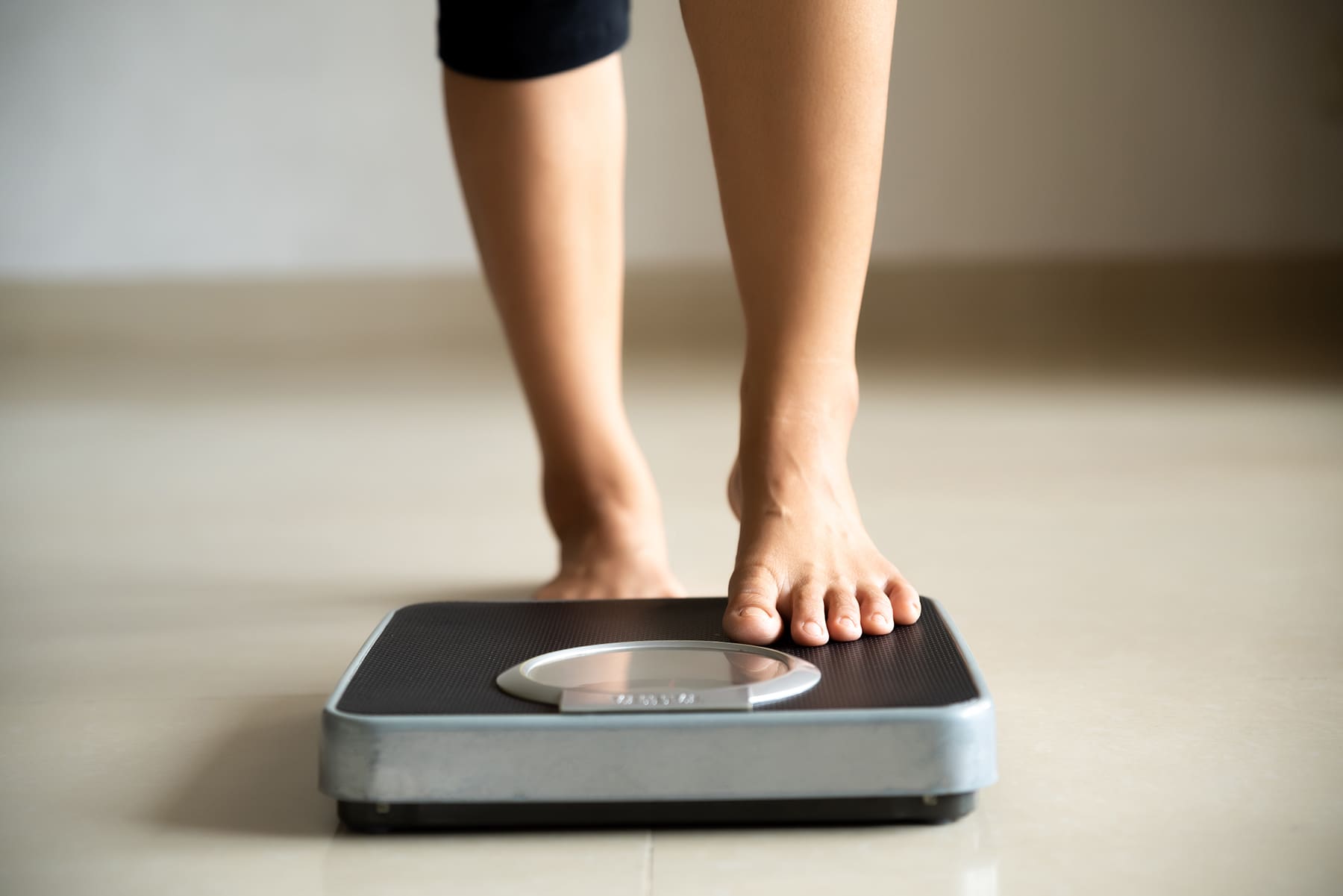

The scale says nothing has changed, yet your clothes fit better, your waistline is smaller, and you feel stronger. These changes may indicate progress even when overall weight remains relatively stable.
Table of Contents
Can You Lose Fat Without Losing Weight?
Yes, it is possible to lose fat without seeing a significant change in overall weight. The body’s total mass consists of many components, including body fat, muscle tissue, water, bones, and organs.
For this reason, reductions in body fat are not always immediately reflected by changes in overall weight, particularly when other factors are changing at the same time.
Understanding Body Recomposition
Body recomposition refers to changes in the proportion of body fat and lean tissue that occur over time. While body fat may be decreasing, other physiological changes can also influence overall weight. Understanding these changes can provide a more complete picture of progress.
Water Weight Changes
Fluid balance can fluctuate from day to day. Changes in sodium intake, hydration levels, exercise habits, stress, hormonal shifts, and sleep quality can all affect water retention. These fluctuations can temporarily increase or decrease your weight by several pounds.
Inflammation
Inflammation can influence several processes involved in weight regulation, including metabolism, blood sugar regulation, and fluid balance. Because of this, changes in body fat and changes in overall weight do not always occur at the same pace.
In some cases, inflammation may make it more difficult to see the full extent of progress when relying on weight alone.
Changes in Muscle Mass
Resistance training and strength training can affect overall weight. As body fat decreases, exercise may also stimulate muscle growth. Because muscle tissue is denser than fat tissue, increases in muscle mass may offset reductions in body fat. As a result, body measurements and strength may improve even when overall weight changes very little.
How to Measure Progress During Medical Weight Loss
Improvements in waist and hip circumference, clothing fit, energy levels, and body composition may provide evidence of progress that is not reflected by overall weight alone.
Taking body measurements at regular intervals can help identify changes that the scale may not capture. Many individuals also find it helpful to take photos at the beginning of treatment and periodically throughout their weight loss journey. Comparing these photos over time can make gradual changes in body shape and composition easier to recognize.
For individuals participating in a medical weight loss program, periodic body composition analysis may help distinguish between changes in fat mass, muscle mass, and water retention.
This information can provide a better understanding of how the body is responding over time and help guide treatment decisions.
Functional Medicine at Madison Integrative Medicine
At Madison Integrative Medicine, Blake Gilliam, CRNP, and takes a comprehensive approach to medical weight loss. Rather than focusing solely on the number on the scale, we evaluate the factors that may be influencing your results, including metabolism, hormone balance, body composition, inflammation, and blood sugar regulation.
By identifying barriers that may be limiting progress, we can develop a plan that supports healthier, more sustainable results. This broader assessment can provide a clearer understanding of how your body is responding to treatment and help guide adjustments when needed.
Weight Loss Support in Madison, AL
To schedule a consultation at our wellness center in Madison, AL, call (256) 325-0955 or visit us at 1230 Slaughter Rd Suite C, Madison, AL.
FAQs
How long does body recomposition take?
The timeline varies based on factors such as nutrition, activity level, metabolism, hormones, sleep quality, and starting body composition. Some individuals notice changes in measurements or clothing fit within a few weeks, while others may take longer.
Is it normal for body weight to fluctuate during a weight loss program?
Yes. Daily fluctuations can occur due to changes in hydration, sodium intake, hormonal shifts, digestion, and physical activity. Short-term changes do not necessarily reflect changes in fat loss.
Can strength training make it harder to see changes in body weight?
In some cases, yes. As the body adapts to resistance training, muscle tissue may be maintained or increased as body fat decreases, which can affect overall body weight.